Setting up long term off grid water storage in places where the temperature drops below freezing creates unique challenges. When I started preparing my own system, I quickly saw that keeping water from freezing solid while making sure it stays safe to drink isn’t always straightforward. The right choices help make sure there’s usable water even after days of harsh winter weather. In my experience, every detail matters—from the type of container to insulation methods and backup melting options. Here are my insights and tips on staying prepared for cold climate water storage.
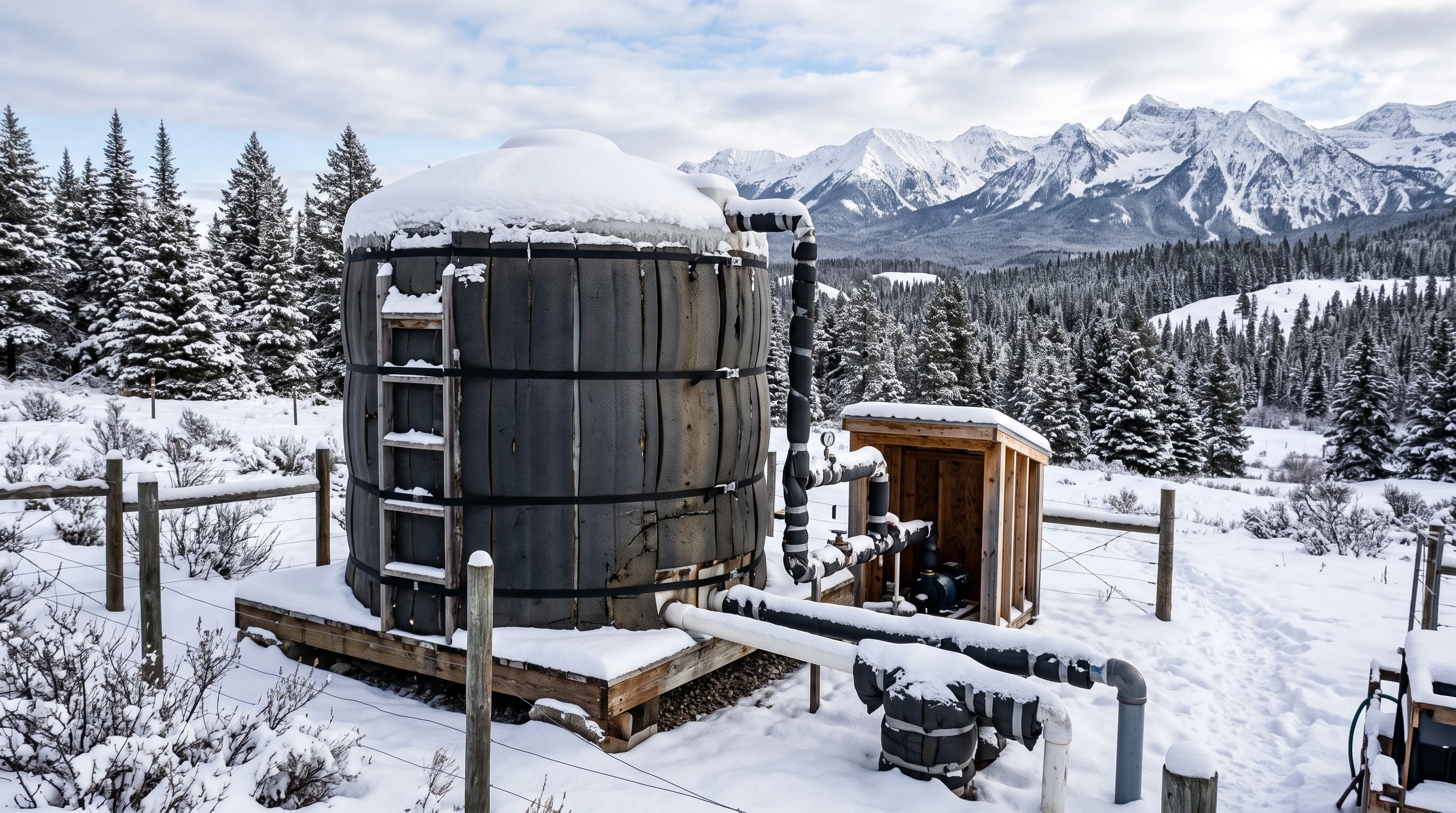
Why Longterm Water Storage Freezes Matter Off Grid
When living off grid, I rely on stored water whenever my well or other sources aren’t accessible. Freezing temperatures create extra risk because a frozen water supply means none for drinking, cooking, or washing until things thaw. It’s not just about comfort. Running out of reliable water far from town can create real health and safety concerns, especially during emergencies or storms where travel becomes difficult.
With off grid systems, I found that municipal water’s protection—from heated basements to constantly running pipes—doesn’t apply. Instead, every gallon might need its own strategy to avoid turning into a solid block of ice by January. For anyone planning long term water reserves in cold climates, looking at temperature patterns, weather surprises, and sunlight levels for your site becomes really important before deciding how to store your water.
Choosing the Right Storage Containers for Cold Weather
I’ve tried several water container options, and each one reacts differently to freezing. Here’s what I’ve learned about picking and using containers for off grid winter storage:
- Food Grade Plastic Barrels: Tough, resistant to cracking, and generally easier to move than metal if you need to rotate or relocate them. Look for opaque barrels to reduce sunlight growth if used above ground. Plastic gets brittle if left exposed to arctic blasts, so good insulation helps.
- Insulated Water Tanks: Factory insulated tanks provide extra freeze protection. Some folks use those designed for livestock, which have heavy insulation and strong lids. I’ve also added foam board or blankets to regular tanks for a similar effect.
- Buried or Partially Buried Cisterns: Underground tanks use the earth’s thermal insulation. Even partially burying a barrel helped slow down freezing at my place. Drainage and ground movement still need checking, though; too deep, and digging out repairs gets tricky.
- Stainless Steel Tanks: Less common but super durable. Steel is more expensive and conducts temperatures quicker than plastic, so it may freeze faster without decent insulation.
Container Size and Placement Tips
I store smaller containers inside a barn with some natural ground warmth. For bulk water, bigger tanks hold heat longer and freeze more slowly. Grouping barrels close together and up against south facing walls of sheds can capture what little sun there is in winter.
Best Insulation Methods for Off Grid Water Tanks
I learned that insulation is the most reliable way to keep stored water liquid, unless you want to rely on daily heating. Here are practical insulation steps that worked well for me and other off grid folks I know:
- Foam Board Insulation: Rigid foam panels (like polystyrene) cut and strapped around tanks offer good protection. Taping the seams and covering with a tarp keeps things drier and effective.
- Hay Bales: I’ve used straw bales as a temporary outer wall for aboveground barrels in a pinch. They create a thick buffer against cold air, especially for short term freezes.
- Reflective Blankets: Specialty reflective insulation wraps help reflect heat back in. I combine these with foam board on the top and sides for stubborn cold spots.
- Soil Backfill: Partial burial uses the earth’s warmth; just watch for heavy rain or flooding spots so you don’t contaminate the water supply.
I always insulate the top of tanks more heavily, since heat rises and escapes upward fastest. If you do partial burial, piling extra foam or straw on top helped keep my barrels usable through the coldest months.
Freeze Protection Strategies Without Electricity
If you store water off grid without power, some traditional freeze prevention tricks come in handy. Here are options I’ve used that don’t need a plug or diesel generator:
- Thermosiphon Heating: Simple passive solar heaters, like a coiled black plastic pipe on a sunny wall leading into an insulated tank, help add a bit of daytime heat. In cloudy regions, this won’t stop deep freezes but can make a difference.
- Water Rotation: Drawing off water regularly helps bring in slightly warmer replacement water (from a well, stream, or storage inside a heated shelter). Don’t let barrels sit stagnant all winter if you can avoid it.
- Adding Air Space: Fill barrels to about 90%, not 100%. Leaving headroom allows water to expand as it freezes, reducing the risk of bursting barrels. Sometimes having several partly filled containers is better than one full tank.
- Manual Melting: In tough winters, I’ve had to break surface ice and carry chunks indoors to melt near a wood stove. Keeping a container of ice you can access is better than risking a cracked barrel full of solid ice; just keep safety in mind and avoid using open flames near plastics.
Emergency Thawing and Backup Plans
Planning for 100% freeze prevention can backfire when a rare deep freeze shows up. I recommend stashing some heavy duty buckets and a metal stockpot for hauling and melting ice. I’ve had to do this after severe cold snaps even with good insulation. Having some smaller bottles or jugs stored indoors in a frost free spot (like a crawl space) means there’s something to drink while waiting for outdoor tanks to thaw.
Keeping Water Safe: Avoiding Contamination Risks
Warmth alone isn’t enough if the water isn’t clean. I always make sure every storage container is food grade, scrubbed out with unscented bleach or vinegar first, and well rinsed. Freezing and thawing can open seams or create cracks, so I check containers regularly for leaks or signs of dirt getting in.
Stored water sits for months, so algae and bacteria can multiply if sunlight hits clear barrels or lids aren’t sealed tight. Painting tanks dark, keeping them out of direct sunlight, and sealing tightly helps. I sometimes use a quarter teaspoon of household bleach per gallon if I know water will sit sealed for more than six months. More on water storage sanitation tips can be found at CDC Emergency Water Storage.
Choosing a Location for Storage
Location affects how long tanks stay liquid. I look for the warmest microclimate on my property, like a sunny, sheltered corner out of the north wind and away from downspouts or muddy spots. Where possible, putting water storage inside a shed, barn, or partial earth cellar adds another layer of protection. If nothing else, grouping containers into a tight cluster and covering with a thick tarp or old wool blanket adds some peace of mind on the coldest nights.
Frequently Asked Questions about Off Grid Water Storage in Freezing Conditions
How much water should I store for winter living?
Most off grid guides recommend at least one gallon per person per day for drinking and basic hygiene. For long term freezes, I try for two weeks’ supply or more in case snow or frozen pipes block access to refills.
Can I use RV antifreeze in water tanks to prevent freezing?
I never use automotive or RV antifreeze in any tank intended for drinking, cooking, or bathing. Only food grade propylene glycol is safe, and even then it’s better for systems you won’t use for human consumption. Focus on insulation and tank location instead.
What’s the best way to filter or treat water stored through multiple freeze thaw cycles?
Even clean water can grow bacteria when thawed and refrozen several times. I use filters certified to remove bacteria and treat water with a small dose of unscented bleach if I’m not sure about its cleanliness. You’ll find filter reviews and safe dosage tables at EPA Emergency Water Disinfection.
Final Thoughts on Staying Ready for a Cold Winter Off Grid
I’ve seen firsthand how winter can turn a forgotten tank into a block of ice overnight. Thinking through insulation, container choice, and small backup supplies makes all the difference. Storing clean, accessible water lets me stay calm and comfortable through long cold snaps, and keeps my family safe no matter what the weather throws our way.
With careful planning, practice, and the right gear, long term off grid water storage in freezing temperatures becomes a manageable part of homesteading or off grid living. My hope is that these tips help you set up your system confidently, avoid common pitfalls, and enjoy a safer, more prepared winter wherever you live.
One additional factor to keep in mind is how changes in elevation or wind patterns around your property can also influence how quickly water freezes in different spots. Observing these microclimates for a season or two pays big dividends when planning the final site for your storage. Some folks even use windbreaks like evergreen shrubs or stacked firewood to protect tanks from biting winds, giving them a little extra insulation. If you are new to off grid living, reach out to neighbors or local online groups, since there’s a good chance someone has stumbled upon an effective winter water tip unique to your area—or might even be willing to show you their system in action.